Wildlife In Your Home? Emergency Service Available
Family Owned & Operated
Licensed & Insured
Free Estimates
Humane Removal & Relocation
PA Game Commission Licensed
That scrabbling over your ceiling at 6AM is the most common wildlife call in southeastern Pennsylvania — and the one most often botched. Squirrels don't just live in attics; they renovate them, gnawing wiring, shredding insulation, and chewing fresh doorways faster than a handyman can patch the old ones. Montgomery Wildlife removes gray squirrels and southern flying squirrels the right way: humane trapping, litters kept with their mothers, and every entry point rebuilt with materials no rodent tooth gets through — backed by our written 10-year guarantee.
And remember: you never have just squirrels. You have everything they carry in and everything they leave behind — parasites, droppings, urine, and damage that compounds by the week.
"Once they stopped catching squirrels, they sealed up all the holes."
— Kevin Bray, Doylestown, PA
How We Work
Our Squirrel Removal Process
1. Inspect like the building matters. Roofline, ridge, gable vents, rake boards, soffit returns, fascia seams, chimney — we map every opening, identify which squirrel species you're hosting (it changes the whole strategy), and check for nesting before anything else happens.
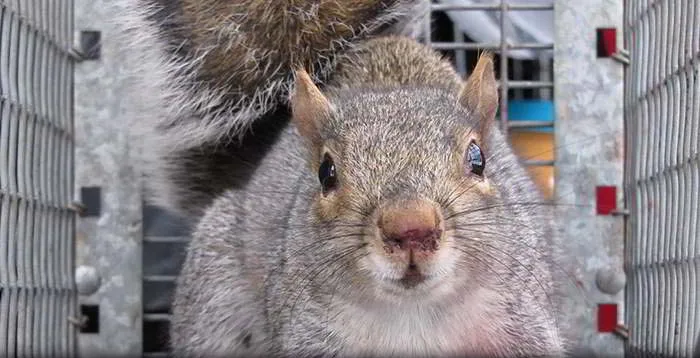
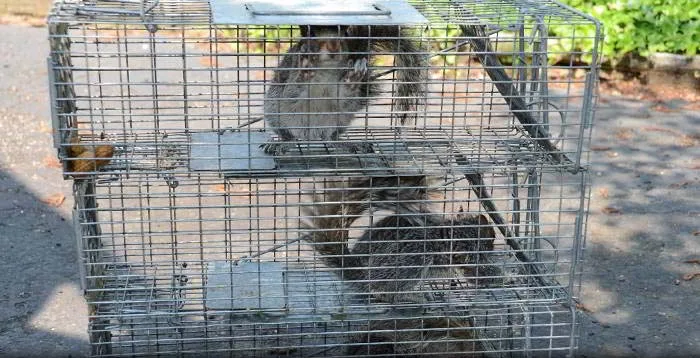
2. Trap humanely, verify constantly. Gray squirrels are taken in live cage traps set on their own travel routes, checked promptly so no animal sits stressed in a cage. Every trapped female gets examined for signs of nursing — if she's feeding a litter, we go find that litter and bring it out by hand, then keep the family together. One-way doors have their place on brand-new, single-squirrel problems, but they're the wrong tool for established residents and absolutely forbidden during baby season; a mother separated from her young will tear a new hole through your roof to reach them.
3. Flying squirrels get the colony treatment. Different animal, different playbook — details below, because half of our squirrel calls turn out to be these.
4. Seal it so it stays sealed. With the attic empty, every entry point is repaired with chew-proof, professional-grade materials, fabricated to fit and finished to match the house. Patch jobs invite rematches; rebuilds end the series. That's what the 10-year written guarantee is signed against.
Our Squirrel Work
Photos from Recent Jobs
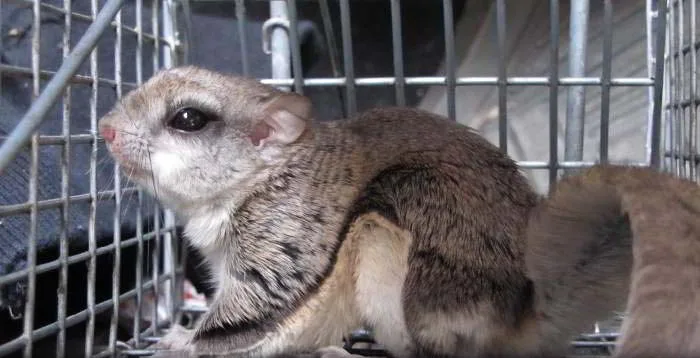
Humane Cage Trapping
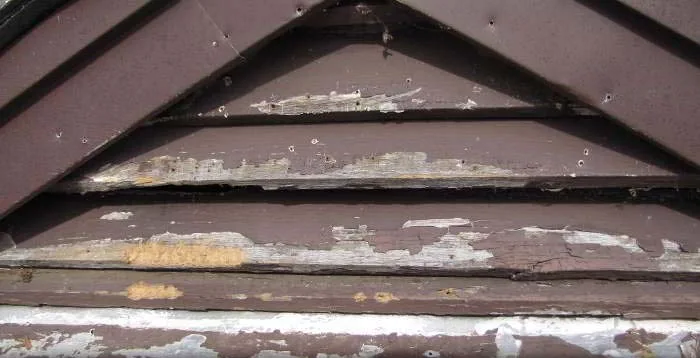
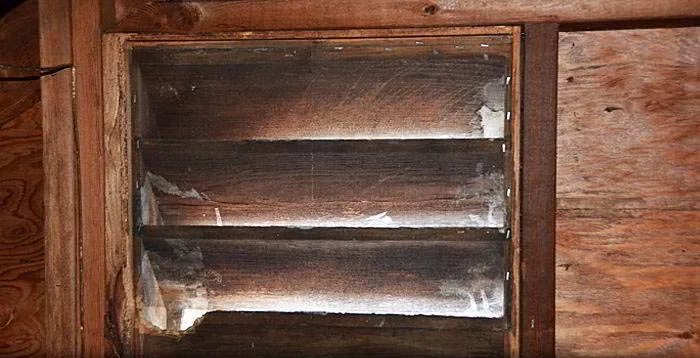
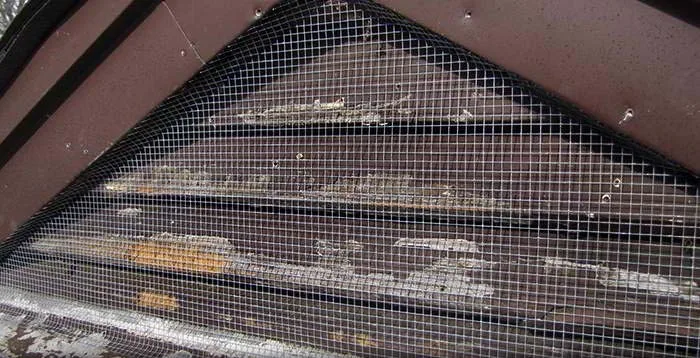
Chewed Louver Entry
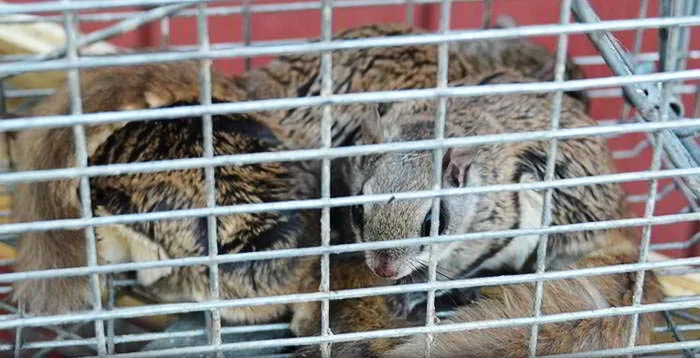
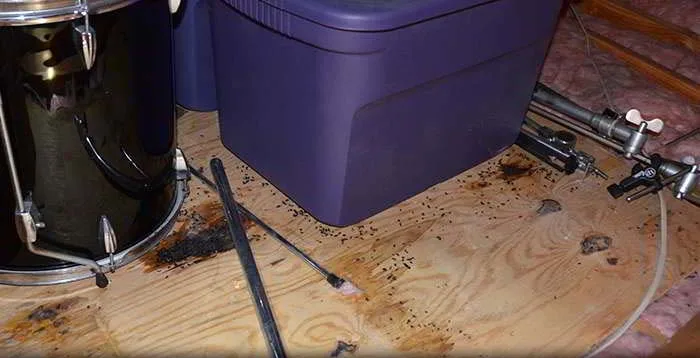
Flying Squirrel Colony
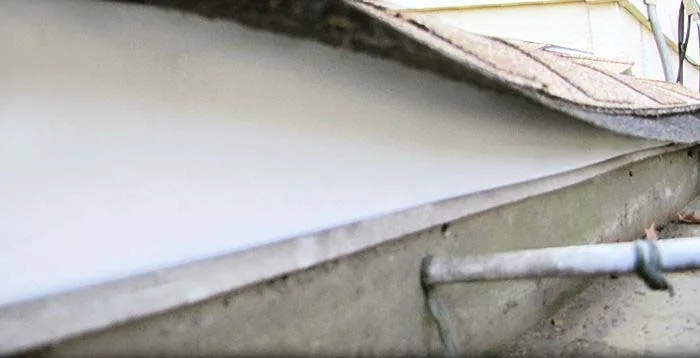
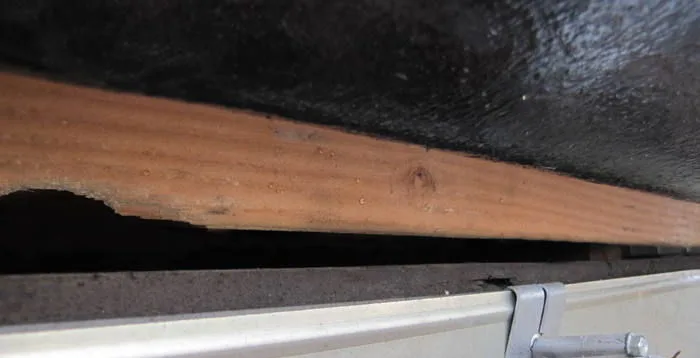
Chew-Proof Rebuild
Case Study: Philadelphia County
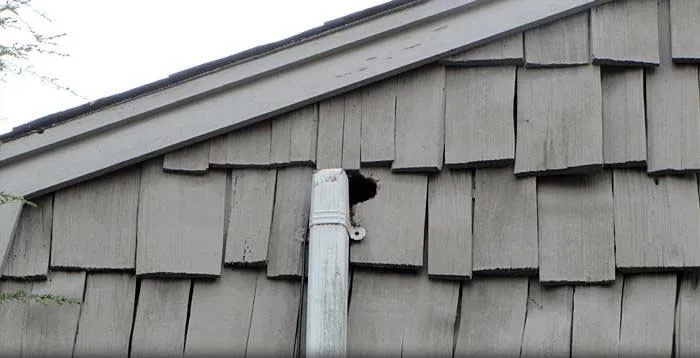
A Chestnut Hill homeowner heard light scratching above the bedroom — but only ever after dark, so she set mouse traps and caught nothing for a month. Our attic inspection found the real story: a winter colony of a dozen southern flying squirrels, entering through a chewed seam where the rake board met the stone gable, with droppings piled around the attic hatch. We sealed the rest of the roofline first, ran targeted trapping at the one remaining access until the count hit zero, then closed and finished the final entry to match the trim. She'd lived in that house twenty years and never knew flying squirrels existed in Philadelphia. They do — in numbers.
Know Your Squirrels
Gray Squirrels and Flying Squirrels: Two Different Problems
The eastern gray squirrel is the daylight offender — the one raiding feeders at noon and audible overhead at dawn and dusk. Grays are powerful, persistent chewers (aluminum and vinyl don't slow them down) and they breed twice a year, so attic pressure spikes in late winter and again in midsummer. One or two animals, big damage, daytime hours: that's a gray problem.
The southern flying squirrel is the case of mistaken identity. Nocturnal, mouse-sized, and colonial, they're the most common "mice in the attic" misdiagnosis we correct in this region — the wooded neighborhoods of Chestnut Hill, the Main Line, and central Bucks are full of them. They den communally in cold weather, so a single attic can hold a dozen or two, and they slip through gaps barely bigger than a quarter. Scratching you only hear at night is the tell.
Red squirrels turn up occasionally on heavily wooded properties out toward the county edges, and we handle them too — but in southeastern PA, grays and flyers are the two stories that matter.
Risks & Damage
The Fire Hazard Nobody Sees Coming
Wiring. Rodent teeth never stop growing, so squirrels gnaw constantly — and attic wiring is a favorite. Stripped copper resting in dry cellulose insulation is how house fires start, and it's why we suggest an electrician look over the attic after any significant infestation. (More than one of our jobs has started with the electrician refusing to work until the squirrels were gone.)
Insulation and structure. Nesting squirrels flatten and foul insulation, cutting its performance and leaving an odor signature that lingers. They'll also chew PVC plumbing vents, ductwork, and structural lumber on their way to doing it.
What they carry. Fleas, ticks, and mites ride in with the colony — flying squirrel colonies especially — and those parasites come hunting new hosts once the animals are removed. Droppings and urine bring their own bacterial risks. For heavy infestations we'll recommend decontamination, covered on our Attic & Crawlspace Cleaning page.
Seasonal Patterns
Baby Season Comes Twice a Year
Gray squirrels litter in late winter into early spring, and again in mid-to-late summer — and each wave sends pregnant females hunting for warm, protected nest sites, which is exactly what your attic looks like. Both surges show up on our phones within the week.
Our litter protocol never changes: no entry point gets sealed and no eviction method gets used until we know whether babies are in the structure. Nursing female in the trap means we go back in and hand-remove the nest, and the family stays together. Companies that skip this check leave homeowners with dead litters in the walls — a cruelty and a remediation bill in one.
Long-Term Prevention
Sealing Is the Other Half of the Job
Trap-only service is a subscription, not a solution: the scent trails and the architecture that attracted this squirrel will attract the next one inside a month. We close that loop. Every vulnerable point gets a carpentry-grade fix — and where chewing has rotted or destroyed the substrate, we rebuild the section rather than cap the damage. For homes that keep getting tested, our Wildlife Exclusion service seals the entire structure, not just today's hole.
What Customers Say
Squirrel Removal Reviews
"I went into my attic to find some papers, and saw that most of my boxes had been chewed apart. Montgomery Wildlife came out the same day and inspected the attic and even put up ladders all around the house. They found a bunch of holes that squirrels had been using and set their traps. Once they stopped catching squirrels, they sealed up all the holes. If there's ever a need in the future, Montgomery Wildlife will be my first call."
Kevin Bray
Doylestown, PA · Bucks County
"We were positive we had mice — turned out to be flying squirrels, fourteen of them. Thomas walked us through the whole colony removal and the seal-up looks like original trim. Haven't heard a scratch since."
Placeholder review
Montgomery County · pending real GBP review
Common Questions
Squirrel Removal FAQ
Free inspection, then a written itemized estimate. The variables: how many entry points the house has, gray versus flying squirrel (colony jobs run longer), whether babies are involved, and how much rebuilding the chewed areas need.
The hole you can see is rarely the only one — and sealing with animals (or a litter) still inside converts a noise problem into a dead-animal-in-the-wall problem, with a side of new holes as they chew back through. Removal first, then sealing, always in that order.
Timing and sound. Mice are light, constant scratchers; flying squirrels are nocturnal and noticeably heavier, often with soft thumps and rolling sounds as the colony moves. If your "mouse problem" has survived a month of traps, think flying squirrels — an inspection settles it definitively.
Not through ours. We seal with commercial-grade, chew-resistant materials — the kind of metal and masonry-backed repairs rodent teeth can't defeat — and every point we close carries the written 10-year guarantee. If something gets back in through our work, the fix is on us.
They're handled humanely and in accordance with Pennsylvania Game Commission regulations, with mothers and litters kept together. We're animal lovers running a removal company, not the other way around.
Serious enough that fire investigators see squirrel-chewed wiring regularly. Exposed conductors buried in dry insulation are a textbook ignition source — after a real infestation, an attic wiring check is cheap insurance, and we can coordinate it with the exclusion work.