How We Work
Our Decontamination Process
Step 1 — Containment. Before anything is touched, we seal the work area off from the rest of the house with a containment barrier and put the space under negative air pressure, so spores, dust, and particles stay in the work zone instead of drifting into your living space. Any room our crew has to pass through gets cleared and protected first.
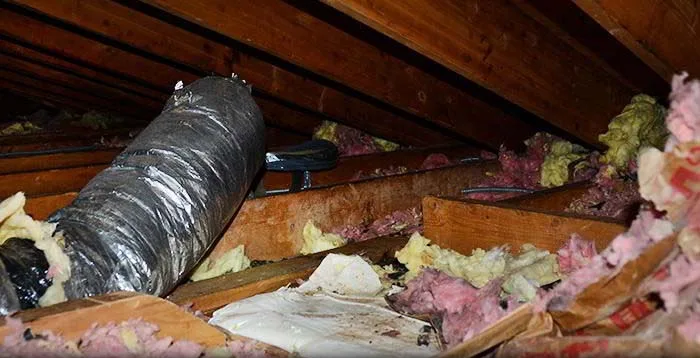
Step 2 — Removal. Some of what's up there is most dangerous airborne — disturbing dry rodent waste, for instance, can aerosolize hantavirus. So technicians in hazmat-grade protective gear mist the insulation down first to keep dust from rising, then bag and double-bag every contaminated piece for disposal at a licensed facility. Where contamination has soaked into drywall or plaster that can't be salvaged from above, those sections come out too.
Step 3 — HEPA vacuuming. The entire space is worked over with commercial HEPA-vac equipment that captures particles down to 0.3 microns, pulling out the residual droppings, dust, and spore-laden debris that hand-removal leaves behind.
Step 4 — Antimicrobial treatment. Vacuuming clears the solids; it doesn't sterilize the surfaces. We follow with a professional-grade antimicrobial applied across the space to kill bacteria and fungal spores and neutralize odor at the source rather than masking it — and we encapsulate any areas of heavy staining with a sealant.
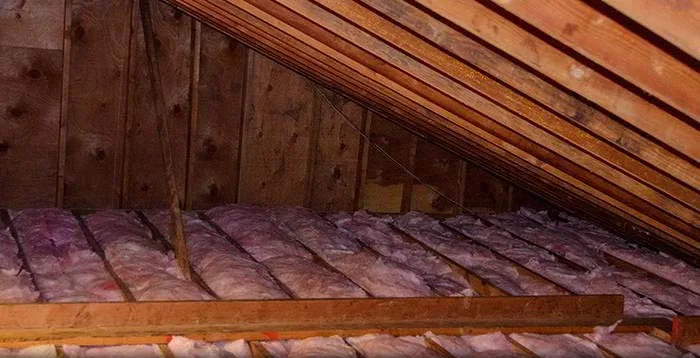
Step 5 — Re-insulation. Once the attic certifies clean, we re-insulate to the correct R-value for our climate zone, restoring the thermal performance the animals destroyed. Fiberglass or cellulose, to spec and to code.
Step 6 — Rebuild. Any drywall or plaster we had to open gets rebuilt and repainted, so every room we touched is left fully restored — not just cleaned, but finished.
Insurance
Insurance Claim Assistance
Attic and crawlspace restoration after bat or raccoon damage is frequently covered by homeowners insurance. The reason is a technicality worth knowing: bats and raccoons are mammals, not "pests," so the destruction they cause is typically treated like other covered animal damage — unless your policy names them as an exclusion. Coverage does vary by policy, so we won't promise a specific outcome sight unseen.
What we will do is build the claim properly. We document the damage with detailed photo reports, prepare the paperwork your insurer needs, and deal with the adjuster directly so you're not stuck translating between a contractor and a claims department. Plenty of our customers end up paying little or nothing beyond their deductible — Samuel, one of our bat clients, had his whole job run through insurance exactly this way.
When Is This Needed
Common Decontamination Scenarios
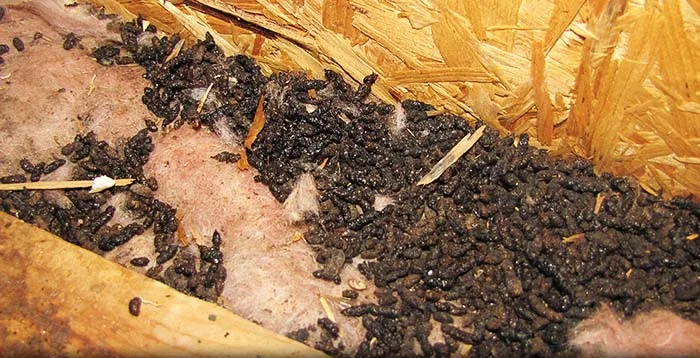
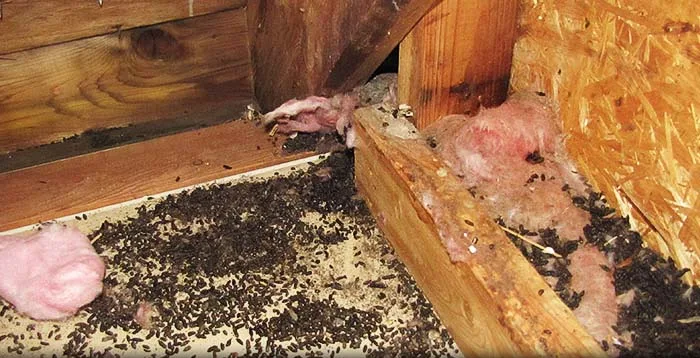
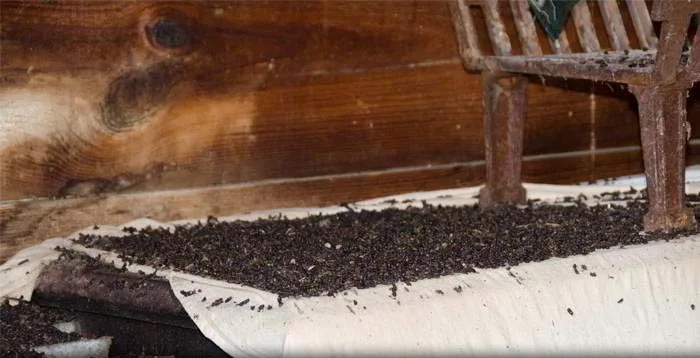
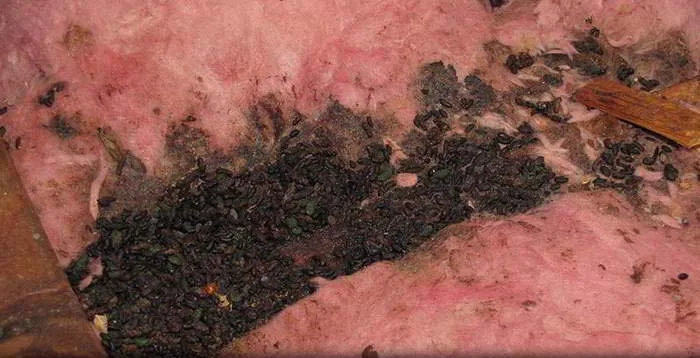
Bat colonies. Guano piles up over months and years, and dried bat guano can grow Histoplasma capsulatum, the fungus behind histoplasmosis. The urine soaks and stains insulation and drywall, kills the insulation's R-value, sours the whole house with ammonia, and the colony brings bat bugs in as a parting gift.
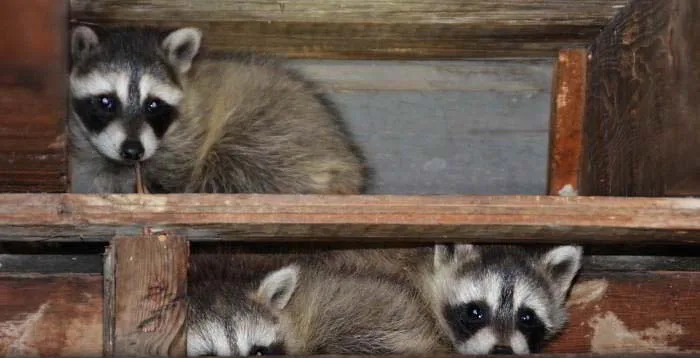
Raccoon latrines. Raccoons designate a corner of the attic as a communal toilet, and their feces can carry Baylisascaris procyonis — raccoon roundworm — whose eggs are notoriously durable and can cause serious neurological harm if ingested. Because those eggs need time to become infectious, the right move is often to let the latrine sit through a desiccation period before remediation, handled with full protection.
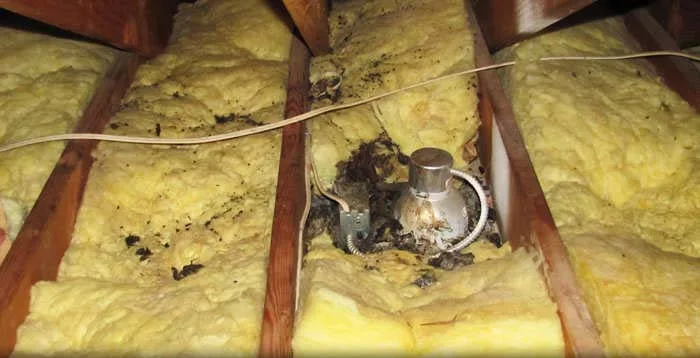
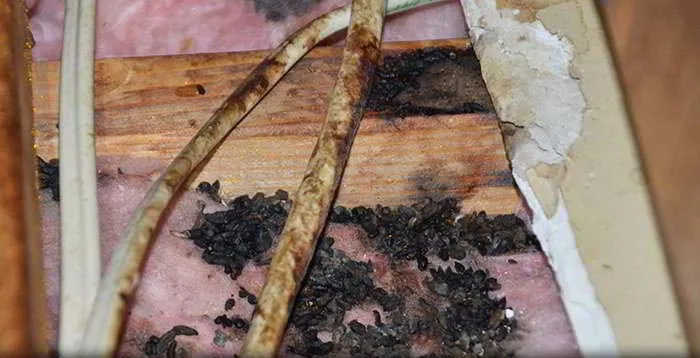
Rodent infestations. Mice and rats lace insulation with urine and droppings carrying hantavirus, leptospirosis, salmonella, and LCMV, and their urine proteins rank among the most common indoor allergens and asthma triggers in American homes. They also chew wiring, which is why rodent restoration so often pairs insulation removal with structural and electrical repair.
Squirrel damage. Squirrels shred and compress insulation into uselessness, foul the attic with waste that can carry leptospirosis and salmonella, and — like every rodent — gnaw wiring into a fire risk.
Bird nests. Nesting material packed into attics, vents, and eaves harbors mites and bacteria, and accumulated droppings are a source of histoplasmosis, cryptococcosis, psittacosis, and bird fancier's lung.
Repeat infestations. Here's the part homeowners miss: the contamination itself recruits the next tenant. Rodent urine carries pheromones that signal other animals of the same species to come investigate, so an attic that's been cleaned of animals but not of waste tends to draw a fresh infestation. Removal without restoration is an open invitation.
Beyond the Attic
Crawl Space Cleaning
A crawlspace is a different working environment than an attic, but the remediation playbook is the same one: contain the space, run negative-air filtration, bag out the contaminated insulation and debris, HEPA-vacuum every surface, and treat with antimicrobial before re-insulating where it applies.
What changes is the cast of animals. Down low we're usually dealing with raccoons, opossums, and rodents that have denned in vapor-barrier gaps or pushed through a compromised foundation vent, and each leaves its own signature — a raccoon latrine, a rodent nest trailing droppings, insulation matted with waste. Carcasses also turn up more often under the house than in the attic, simply because it's easier for an animal to crawl in, get stuck, and die there. If that's what you're smelling, removal of the remains is part of the job.
Crawlspace cost depends on how accessible the space is, how heavy the contamination runs, and whether the vapor barrier and insulation need full replacement. Insurance works the same way it does upstairs — mammal damage from raccoons and the like is often covered — and we document everything for the adjuster either way.
Why It Matters
Health Risks of an Animal Infestation
The material wildlife leaves behind is genuinely hazardous, and several of these risks turn serious on even minor contact. Any area fouled with animal waste should be treated as quarantined until a trained professional in proper protective equipment can remove and treat it.
A note on rabies: it's the disease people associate with wildlife first, but the rabies virus doesn't survive long outside a living host. Once the animals themselves are gone, the environmental rabies risk in the space drops off sharply. It's the bacteria, fungi, and parasites in the waste that linger.
Diseases & Health Hazards
Histoplasmosis. A lung infection from inhaling the spores of Histoplasma capsulatum, a fungus that flourishes in material enriched by bat guano and bird droppings. Disturb a dried accumulation and the spores go airborne; what follows looks like a nasty flu — fever, chest pain, dry cough, headache, body aches.
Raccoon roundworm (Baylisascaris procyonis). Shed in raccoon feces, where a single infected animal can release millions of eggs a day that turn infectious within weeks. Accidentally ingested, the larvae can migrate into the brain, eyes, or spinal cord, causing damage that's frequently permanent. The eggs shrug off bleach and freezing, and small children with hand-to-mouth habits are the most vulnerable.
Hantavirus pulmonary syndrome. Wild mice are the reservoir, and people are exposed by breathing dust kicked up from disturbed droppings, urine, or nests. It opens with fever and severe muscle aches and can progress fast to fluid in the lungs; its fatality rate makes it one of the most dangerous rodent-borne illnesses on the continent.
Leptospirosis. Bacteria shed in the urine of infected rats, mice, and squirrels, entering through broken skin or the eyes, nose, and mouth — often via contaminated water or soil. Fever, chills, aches, vomiting, and jaundice are typical; severe cases reach kidney and liver failure.
Lymphocytic choriomeningitis (LCMV). Carried by a meaningful share of house mice and transmitted through inhaled aerosols from their waste and nests. Most cases are mild, but LCMV can cause meningitis and is especially dangerous in pregnancy, where it can cause severe birth defects.
Salmonellosis. Picked up from surfaces, food, or stored items contaminated by rodent, squirrel, or bird droppings. It brings the familiar acute gastroenteritis — nausea, vomiting, diarrhea, fever — and can turn serious in infants, the elderly, and the immunocompromised.
Psittacosis. Nesting pigeons and other wild birds shed Chlamydia psittaci in droppings and respiratory secretions; inhaling the dried, contaminated dust can produce an atypical pneumonia with fever, dry cough, and headache.
Cryptococcosis. A fungus that grows in soil enriched by pigeon droppings; inhaled spores can cause lung disease and, in immunocompromised people, life-threatening meningitis.
Bird fancier's lung. Chronic inhalation of proteins from bird droppings, feathers, and dander can trigger an immune-mediated lung disease, and repeated exposure can scar the lungs permanently.
Rodent allergens & asthma. Mouse and rat urine proteins are among the most common indoor allergens in U.S. homes and a validated trigger for asthma, hardest on children. From an attic, those allergens ride ductwork and wall cavities straight into living spaces.
The Parasites Left Behind
When the host animals are excluded, the blood-feeders they were carrying don't leave — they go looking for whatever's still warm, which means you. Bat bugs deliver bites that mimic bed bugs. Bird mites from abandoned nests cause fiercely itchy reactions and can outlast their original host for months. Rat fleas and mites bite humans once the rodents are gone. A proper restoration deals with the parasites in the same pass as the waste and insulation — which is exactly why "the animals are out" isn't the same as "the problem is solved."
Dead Animal Carcasses
When an animal dies inside the structure — often after eating someone's rodent poison elsewhere — the carcass throws off a powerful odor and becomes a breeding site for flies and other vectors. Removal means locating the remains by smell inside a wall, ceiling, soffit, or crawlspace and carefully extracting them, then treating the spot.
The Risk Nobody Thinks About: Fire
Beyond disease, this may be the most underrated danger of an infestation. Wildlife gnaws insulation, beams, and electrical wiring, and animals chewing on wiring are a well-documented contributor to electrical fires that get logged as "undetermined origin." After any infestation, it's worth having a licensed electrician inspect the wiring — what you can't see in the wall is the part that starts the fire.
Why This Isn't a DIY Job
These hazards are real, and the equipment that contains them — HEPA-vacs, respirators, hazmat suits, negative-air containment — is what separates a safe remediation from spreading contamination through your house. Keep children and pets away from affected areas entirely until the material has been professionally removed, and keep adult traffic out too. If other trades are coming by, make sure they know the contamination is there and untreated, so they can protect themselves and your home.