A single bat flapping through your bedroom at midnight is alarming. What it usually means — a colony quietly roosting in your attic — is the bigger problem, and it's the one we solve. Montgomery Wildlife handles bat work end to end across southeastern Pennsylvania: emergency capture of bats in living spaces, humane one-way eviction of the colony, a complete seal-up of the structure, and decontamination of the roost. Exclusion work carries our written 10-year guarantee.
Bat in your living space right now? Skip the contact form and call (267) 647-6674 — these calls go to the front of the line. Emergency protocols are below.
"They completed the bat exclusion in one day and I was impressed at how aesthetically pleasing the work was."
— Kyle Forrest
How We Work
Our Bat Eviction Process
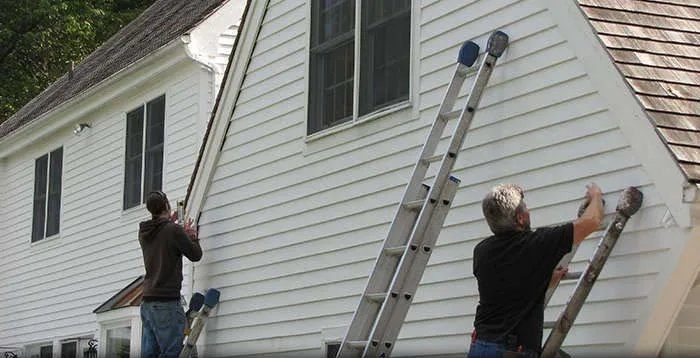
Bat exclusion is roofline work — ladders, steep pitches, and patience — and it's where our carpentry background earns its keep. Here's how a typical job runs:
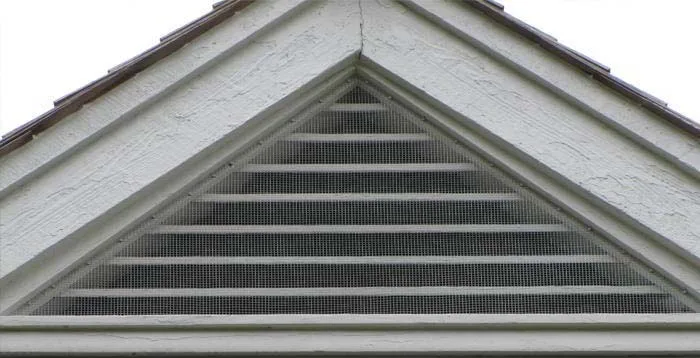
1. Whole-structure inspection. Bats can squeeze through a gap the width of your thumb, so we inspect everything: ridge lines, gable vents, chimney flashing, fascia gaps, louvers, and soffit returns. We identify the active entrances (staining and droppings give them away) and every secondary opening they could shift to.
2. Seal the alternates first. This order is non-negotiable. If you install eviction devices before closing the secondary gaps, the colony doesn't leave — it just moves thirty feet down the roofline. We close every unused opening with fitted, exterior-grade materials before any device goes up.
3. One-way eviction. Over the remaining active entrances we mount one-way exit devices. The colony flies out at dusk to feed, exactly as it always has, and finds the door locked behind it. No bat is touched, trapped, or harmed.
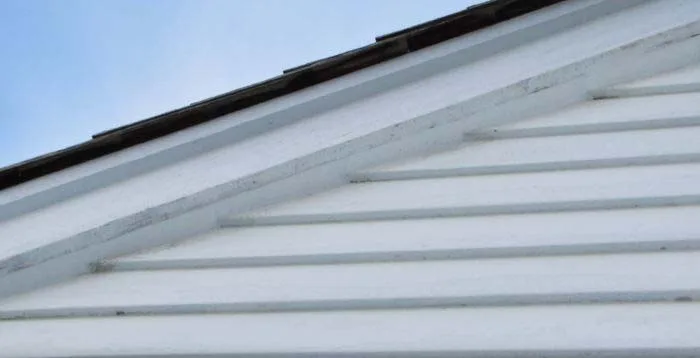
4. Final seal and verification. Once activity stops and we've confirmed the structure is empty, the devices come down and the last openings are permanently closed and finished to match the home. Then the guarantee goes in writing.
When a company quotes you for bat work, ask what their seal covers — the whole house, or just the holes the bats were using? Ours covers the structure, and it's backed for 10 years.
Our Bat Work
Photos from Recent Jobs
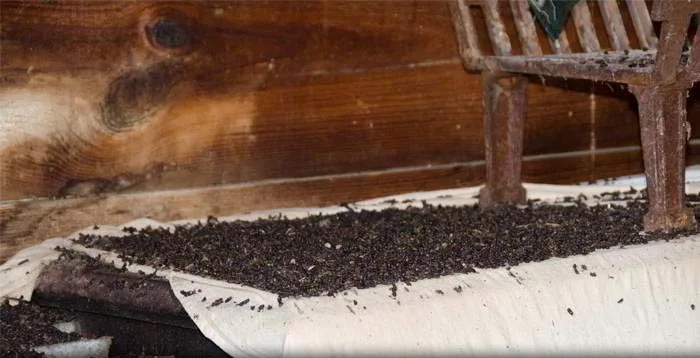
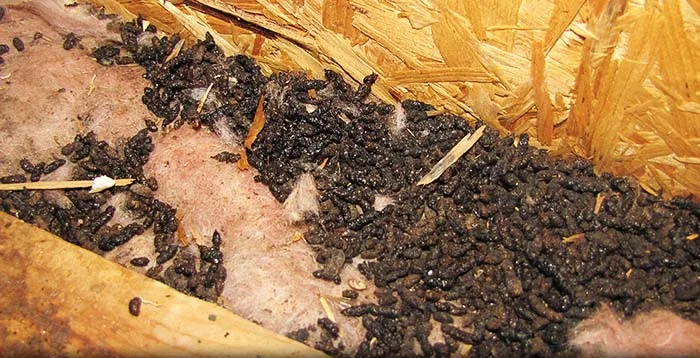
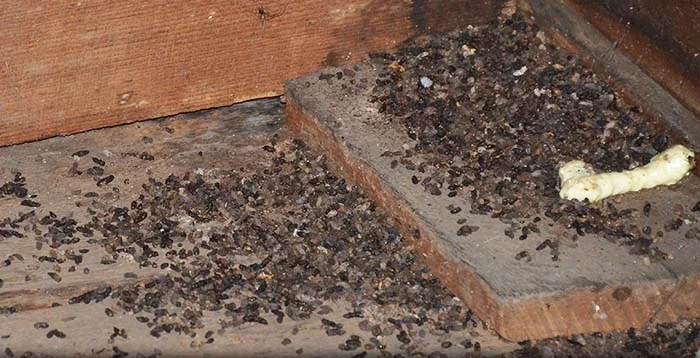
Guano Accumulation
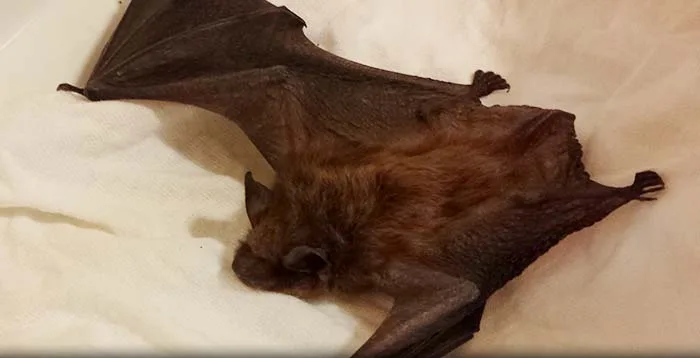
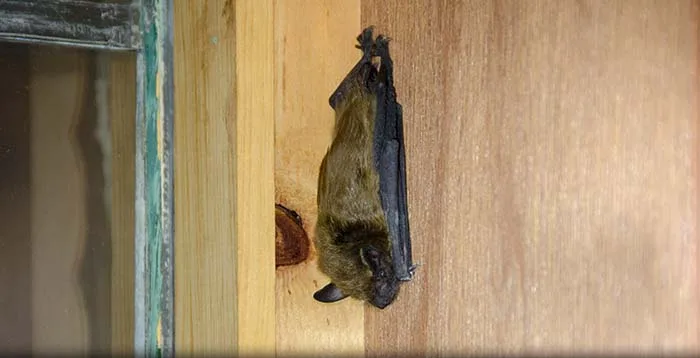
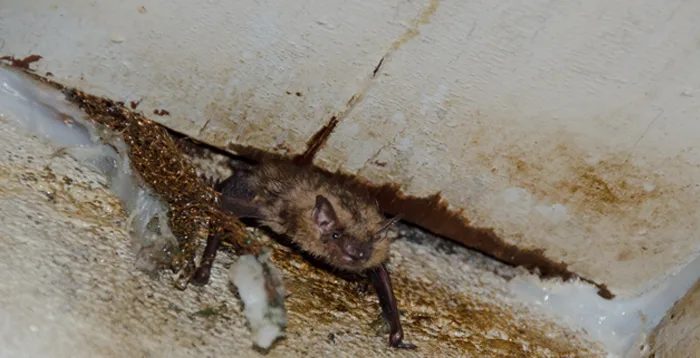
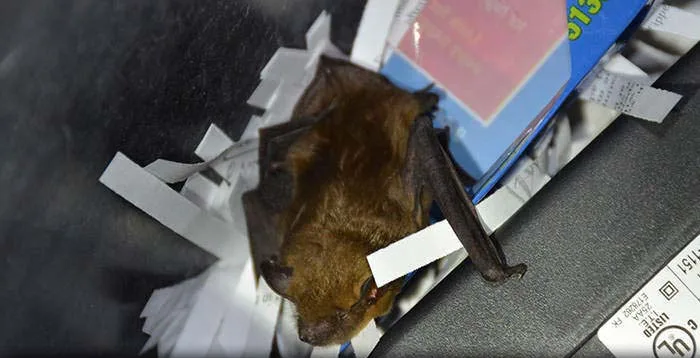
Bat Captured Indoors
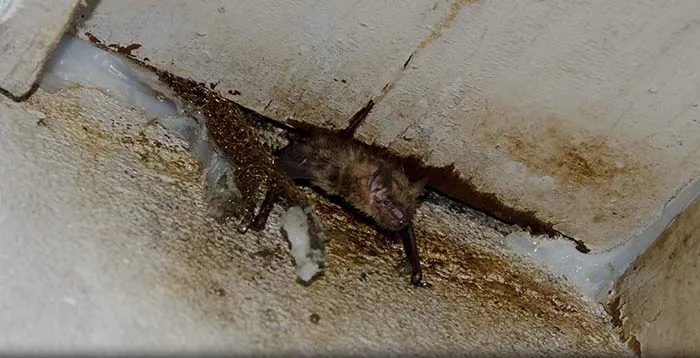
Roofline Entry Point
Finished Seal-Up
Case Study: Chester County
The owners of an old fieldstone farmhouse outside Phoenixville kept finding dark streaking under a gable louver and assumed it was weathering — until an evening on the patio showed them bats pouring out of it at dusk. Our inspection found an established big brown bat colony using the louver and two gaps in the ridge as doors. We sealed the rest of the roofline first, set one-way devices on the three active entries, and within a week the colony had evicted itself. The final seal was cut and painted to match the existing trim, and the attic guano was professionally removed and the space treated. The house is tight, and the louver finally just looks like a louver.
Know Your Bats
The Two Bats That Move Into PA Homes
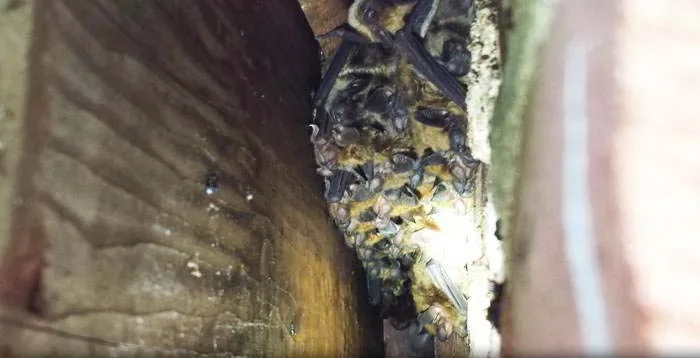
Pennsylvania attics host two regulars. The big brown bat is the one we encounter most: hardy enough to overwinter inside, it hibernates in the structure through the cold months and resumes activity in spring — which means a big brown colony never leaves on its own. If they've chosen your house, they're residents until they're evicted.
The little brown bat historically followed a different rhythm, summering in attics to raise pups and departing to cave hibernacula each fall. White-nose syndrome has devastated Pennsylvania's little brown population over the past two decades, which is part of why the species is now protected so carefully — and why most of the colonies we remove today are big browns. Either way, the humane playbook is the same: eviction, never extermination.
Detection
How to Tell If Bats Are in Your Attic
Bats are quiet tenants. They sleep through the day, tuck into wall voids and obscure corners, and can share your roof for years unnoticed. The clues, roughly in order of how often homeowners catch them:
A bat in your living space. This is rarely a fluke. Unless a door or window sat open and unscreened after dark, or the flue was left open, an indoor bat almost always wandered in from a colony already living in the walls or attic — usually a young bat that took a wrong turn.
Droppings and staining. Bat guano resembles mouse droppings but crumbles to a shine of insect fragments, and it accumulates below roost spots and entry points. Brown-black smudging around a gap in the roofline is body oil from repeated passes — find that, and you've found a door.
Sounds at dusk and dawn. Faint scratching, squeaking, or a soft rustle overhead during the colony's commute hours.
The dusk stakeout. Some homeowners watch the roofline at sundown and count exits. It can work if you can see every face of the house at once — most can't, which is why an inspection settles the question in an hour.
Health Risks
Rabies, Histoplasmosis & Bat Bugs
Rabies. Most bats are healthy, but bats account for the majority of human rabies cases in the United States, and a bite from one can go unnoticed — especially by someone who was asleep. This is why the Pennsylvania Department of Health wants any bat found in a living space, where contact was possible, captured and submitted for testing rather than released. A negative test can spare your family the post-exposure shot series. It's also why we capture first and ask questions later.
Histoplasmosis. Bat guano can host the fungus Histoplasma capsulatum. Disturb a dried accumulation — sweep it, vacuum it, walk through it — and the spores go airborne, where they can infect the lungs. Leave suspected guano alone and let a crew with proper respiratory protection handle it.
Bat bugs. Colonies carry parasites, and bat bugs are the nasty surprise: near-identical cousins of bed bugs that feed on the roost. Remove the bats without treating the roost, and the bugs go looking for a new host — you. Roost sanitation after eviction isn't an upsell; it's the second half of the job.
Seasonal Restrictions
Maternity Season: Why Timing Is Everything
Bats are protected under Pennsylvania and federal law, and exclusion is off the table while flightless pups are in the roost — roughly early summer through the pups' first flights in August. Evict the adults during that window and the young starve inside your walls, which is inhumane, illegal, and a remediation nightmare.
So we schedule around it. Inspections, planning, and preliminary sealing of unused openings can all happen during the restricted window; eviction devices go up before it starts or after it ends. A company that offers to bat-proof your house in the middle of pup season is telling you everything you need to know about them.
Emergency
There's a Bat in the House Right Now — What Do I Do?
Shut the door to the room it's in and run a towel along the gap at the floor. Resist the urge to open a window and shoo it out — if anyone was asleep in that room, or a child or pet had access to it, the Department of Health will want that bat tested for rabies, and releasing it forfeits that option. Call us at (267) 647-6674; emergency bat calls get priority response. If we can't reach you until morning, keep the room sealed — the bat will settle, and we'll capture it when we arrive.
After the Bats Are Gone
Guano Removal & Attic Decontamination
Years of roosting leaves an attic genuinely hazardous: guano heaped on insulation, urine crystallized in the wood, parasites in the roost. Plenty of outfits seal the house and never mention what's still sitting above your ceiling.
We treat cleanup as part of bat work, not an afterthought. The space is contained, contaminated insulation is bagged and removed by technicians in proper protective gear, surfaces are HEPA-vacuumed and treated with antimicrobial agents, and the attic is re-insulated to spec. Because bat colonies cause genuine, documentable damage, many homeowners' insurance policies cover the restoration — Samuel's review below is one of ours that went exactly that way. We photograph and document everything and work with your adjuster directly.
"We called Montgomery Wildlife when we found bats in our attic last summer. Thomas did a thorough inspection of our whole house, and took the time to answer all of our questions. He worked with our insurance to get us coverage, and his team solved the problem quickly and efficiently. My wife and I highly recommend them!"
Samuel Marsden
Montgomery County, PA
"Montgomery Wildlife was very responsive and able to come to my house quickly. They were able to complete the bat exclusion in one day and I was impressed at how aesthetically pleasing the work was. Would definitely call again with any wildlife issues I face."
Kyle Forrest
Montgomery County, PA
Common Questions
Bat Removal FAQ
We inspect first, free of charge, then put a written number in front of you. Cost tracks with colony size, how many entry points the roofline has, and whether the attic needs decontamination. No hidden line items.
Please don't. Bats are protected by state and federal law, and DIY sealing has an ugly failure mode: trap the colony inside and you'll have bats emerging into your bedrooms, then dying in the wall cavities. What started as a hardware-store project becomes a four-figure remediation.
Most exclusions run several days to two weeks: seal-up of secondary openings, devices on the active entries, time for the full colony to filter out, then the final close. Smaller jobs can sometimes be turned around in a day.
We can inspect, plan, and complete the preliminary sealing now, but eviction devices can't go up while flightless pups are in the roost. The moment the season allows, your job is queued and ready to execute.
A tube or netting valve mounted over the bats' entrance. Exiting at dusk works exactly like it always has; re-entry doesn't work at all. Once the colony is out, the device comes off and the opening is sealed for good.
Often, yes. Bat colonies cause real structural and contamination damage that many policies cover. We document the damage thoroughly and work with your insurance company to support the claim.